
What is the world’s largest airport? Find the answer here
Have you ever stood in an airport and wondered: just how big can a place like this actually get? Some airports are so enormous that they feel like small towns in their own right, with hotels, shopping areas, train links, lounges, restaurants and terminals that never seem to end.
But what is actually the world’s largest airport? The answer depends on what you’re measuring. If we’re talking about area, King Fahd International Airport in Saudi Arabia is the clear winner. If we’re talking about passenger numbers, Hartsfield-Jackson Atlanta International Airport in the state of Georgia is by far the busiest airport in the world and has been for almost three decades.
In this guide, we take a closer look at the largest and busiest airports in the world, their strategic importance to global aviation, and some of the most impressive examples of modern infrastructure.
What is the world’s largest airport?
The short answer: It depends on how you measure it.
Measurement criteria | Airport | Key figures |
|---|---|---|
Largest by area | King Fahd International Airport | 776 km² |
Busiest by passenger volume | Hartsfield-Jackson Atlanta International Airport | Around 107 million passengers per year |
Most international passengers | Dubai International Airport | 89 million passengers per year |
Largest capacity in the future | Istanbul Airport | Up to 200 million passengers/year |
1. King Fahd International Airport: The world’s largest airport by area
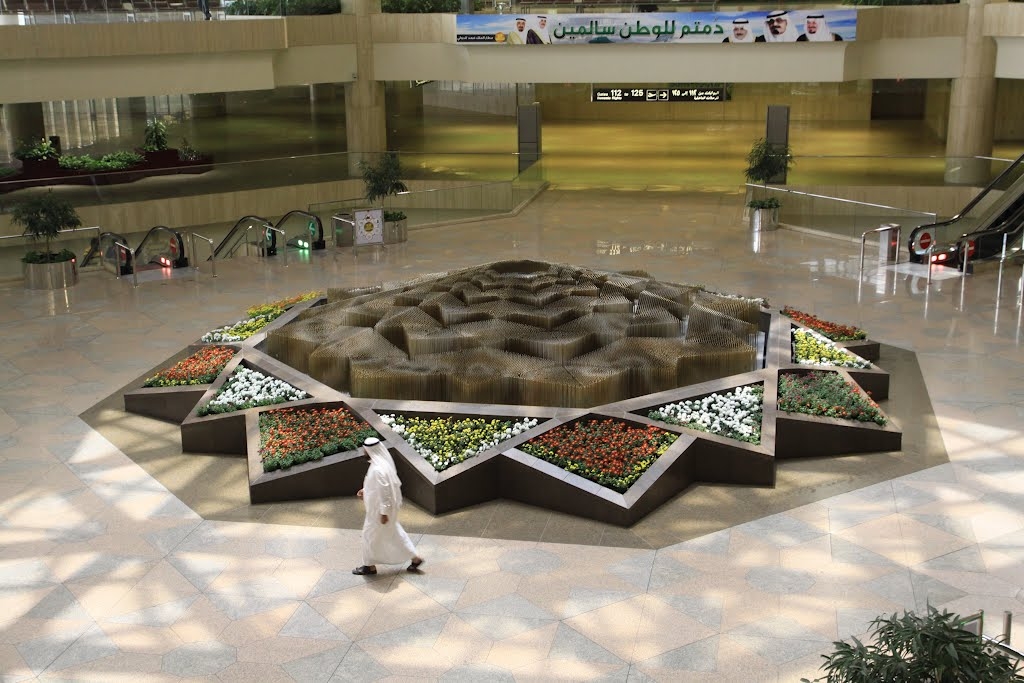
King Fahd International Airport near Dammam in Saudi Arabia is officially the world’s largest airport by land area. The airport covers a full 776 square kilometres – an area so vast that it is larger than the entire neighbouring country of Bahrain and, in fact, larger than many major European cities.
The airport opened in 1999 and was built to handle massive growth. Most of the area has not yet been utilised, but this provides scope for future expansion in line with rising demand in the Gulf region. Its strategic location close to the key oil-economic centres in eastern Saudi Arabia makes it a central hub for international aviation in the Middle East.
Although King Fahd International Airport is not among the busiest airports in terms of passenger numbers, it plays a crucial role in regional passenger traffic, cargo and international trade. The airport has two terminal buildings, a dedicated royal terminal and two runways.
Key facts:
Name: King Fahd International Airport (DMM)
Location: Dammam, Saudi Arabia
Area: 776 km²
Opened: 1999
Runways: 2
Type: International airport serving as a regional and international hub
2. Hartsfield-Jackson Atlanta International Airport: the world’s busiest airport
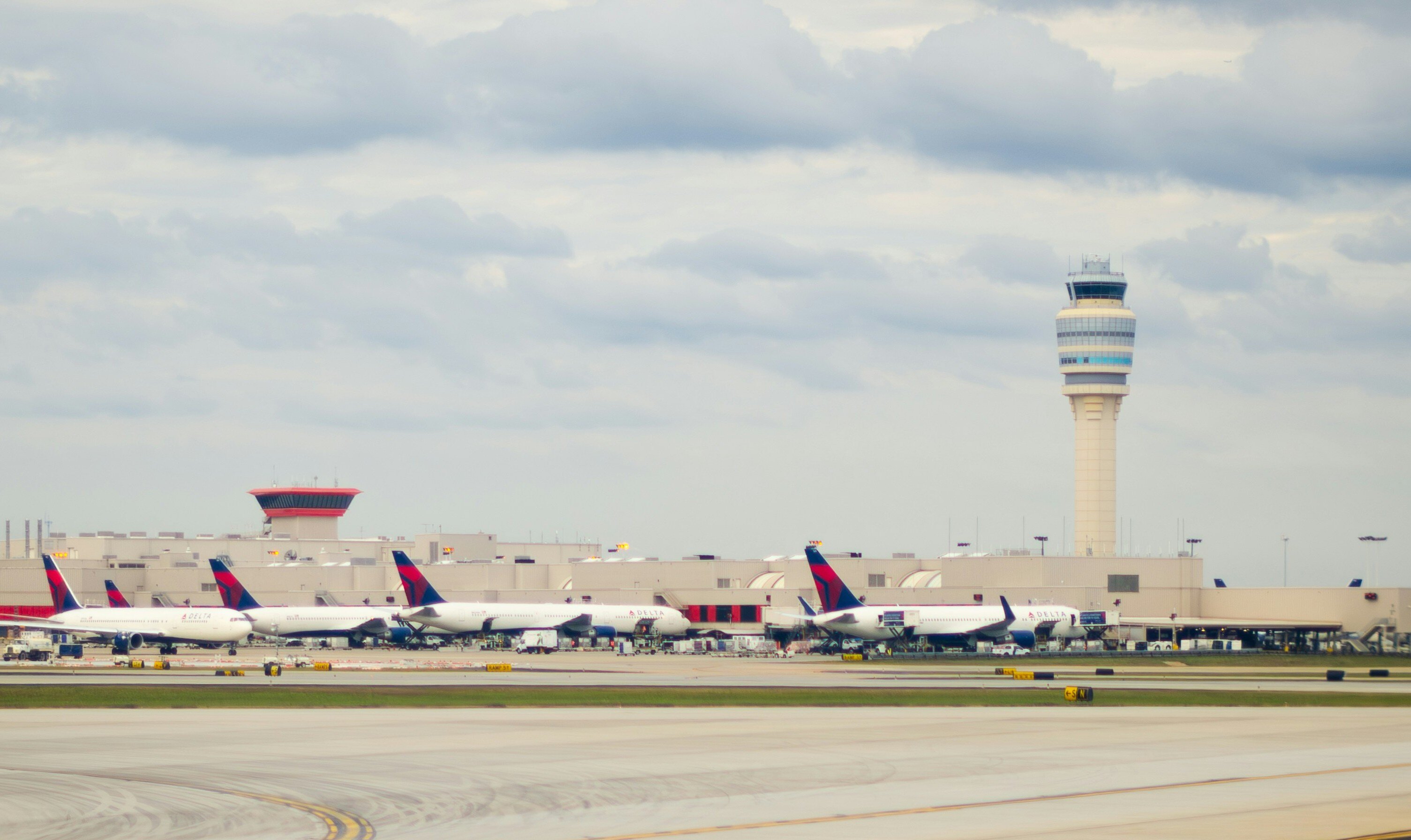 If the question is “what is the world’s busiest airport?”, the answer is clear: Hartsfield-Jackson Atlanta International Airport. The airport in Atlanta, Georgia, has held a firm grip on first place since 1997 – that is, for almost three decades.
In 2023, the airport handled over 104 million passengers. By 2024, that figure had risen to over 108 million, and capacity is set to reach up to 125 million within the next five years.
Why is Atlanta the world’s busiest airport?
The answer lies in geography and infrastructure. Atlanta is strategically located as a central hub in the south-eastern United States, roughly halfway between the North-East Coast and Florida and close to major population centres throughout the southern United States. This makes Atlanta an ideal gateway for both domestic and international flights.
The airport serves as the primary hub for Delta Air Lines, which operates one of the world’s most extensive networks of international routes from here. Atlanta also serves over 150 domestic and international destinations.
One of the airport’s major strengths is its internal transport system: an efficient underground train system known as ‘The Plane Train’ connects all five domestic terminals (T, A, B, C and D) as well as the international terminals (E and F), allowing passengers to move quickly and seamlessly between gates without having to go outside.
Key facts:
Name: Hartsfield-Jackson Atlanta International Airport (ATL)
Location: Atlanta, Georgia, USA
Passengers (2025): Over 106 million
Ranked number one since: 1997
Primary hub for: Delta Air Lines
Terminals: 7 (T, A, B, C, D, E, F)
Runways: 5
3. Dubai International Airport: Most international passengers
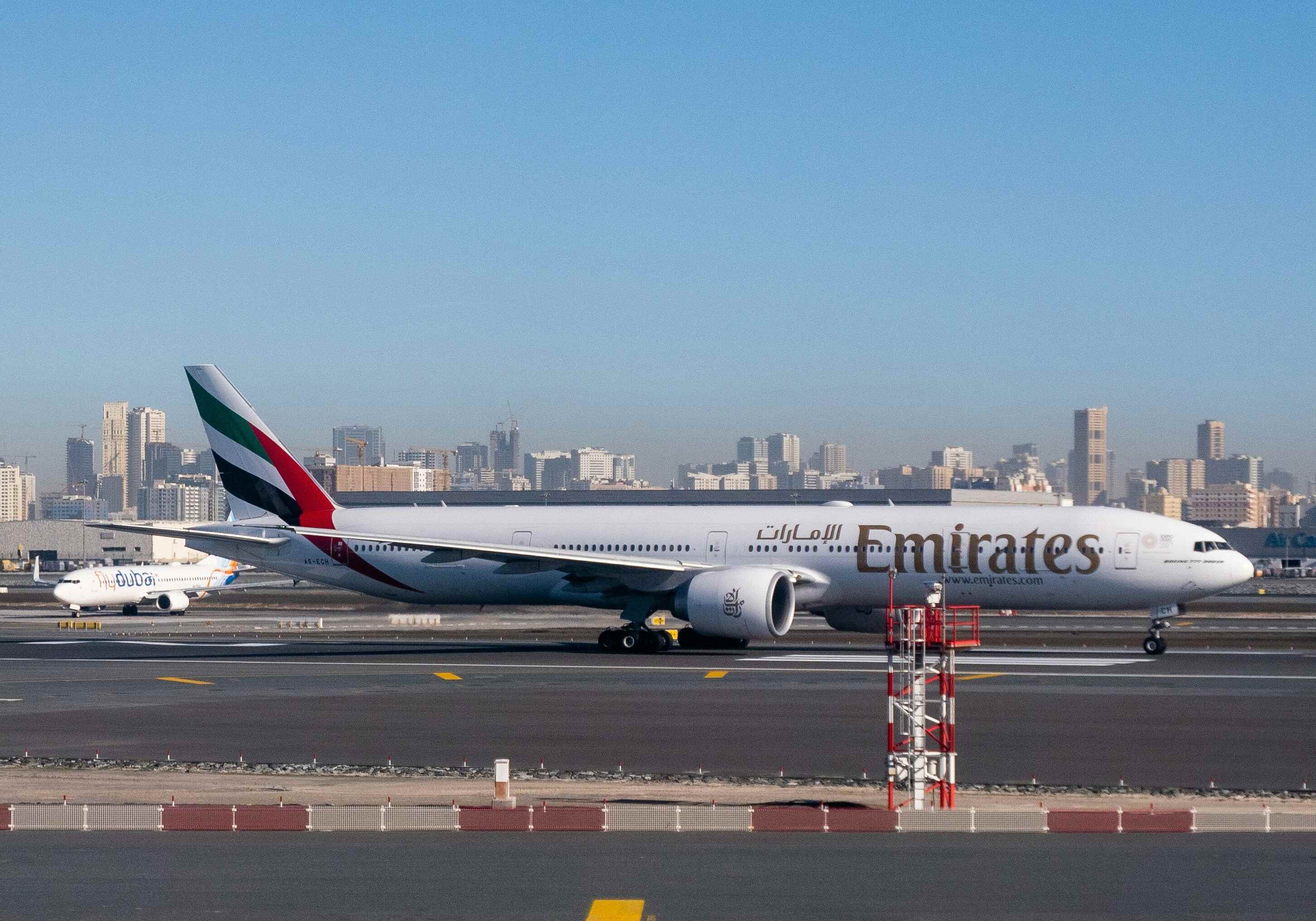 Dubai International Airport in the United Arab Emirates is the world’s most international airport. Whilst Atlanta dominates the overall passenger statistics, Dubai is number one when it comes to international travellers.
In 2025, 95.5 million travellers passed through Dubai. However, these figures are expected to fall significantly in 2026 due to the war in the Middle East. The airport is home to Emirates, one of the world’s largest international airlines, and serves as a crucial transit point between Europe, Asia, Africa, Australia and the Americas.
Dubai International Airport is also renowned for its luxurious facilities: a wide range of high-end shopping, world-class restaurants and lounge experiences that attract transit passengers. Terminal 3, which is dedicated to Emirates, is one of the world’s largest terminal buildings.
Note: Dubai is also undertaking a massive expansion of its second airport, Al Maktoum International Airport, which is eventually planned to have a capacity of up to 260 million passengers annually.
Key facts:
Name: Dubai International Airport (DXB)
Location: Dubai, United Arab Emirates
Passengers: Approx. 95 million/year
Primary hub for: Emirates
Distinguishing feature: Highest number of international passengers in the world
4. Dallas Fort Worth International Airport: Major hub in the USA
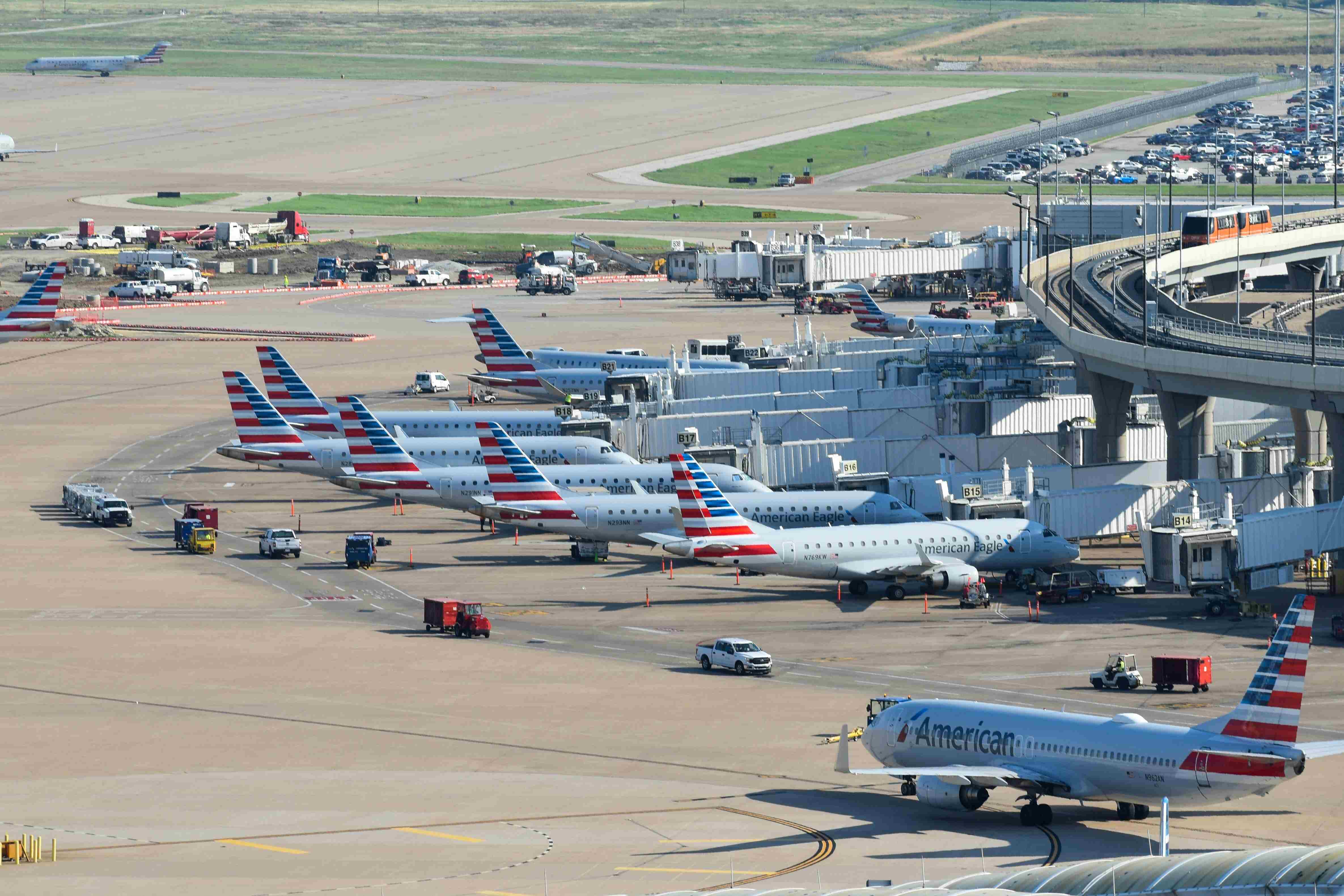 Dallas Fort Worth International Airport in Texas is one of the US’s most important airports and ranks as the third busiest airport in the world, with over 731,000 departures and arrivals in 2024. The airport serves as the central hub for American Airlines and connects both domestic and international destinations with an impressive network of flight routes.
The airport is so large that it is often referred to as an ‘airport city’. It covers an area of over 70 km² and has its own internal rail link (Skylink) as well as five terminals.
5. Istanbul Airport: Designed for the future
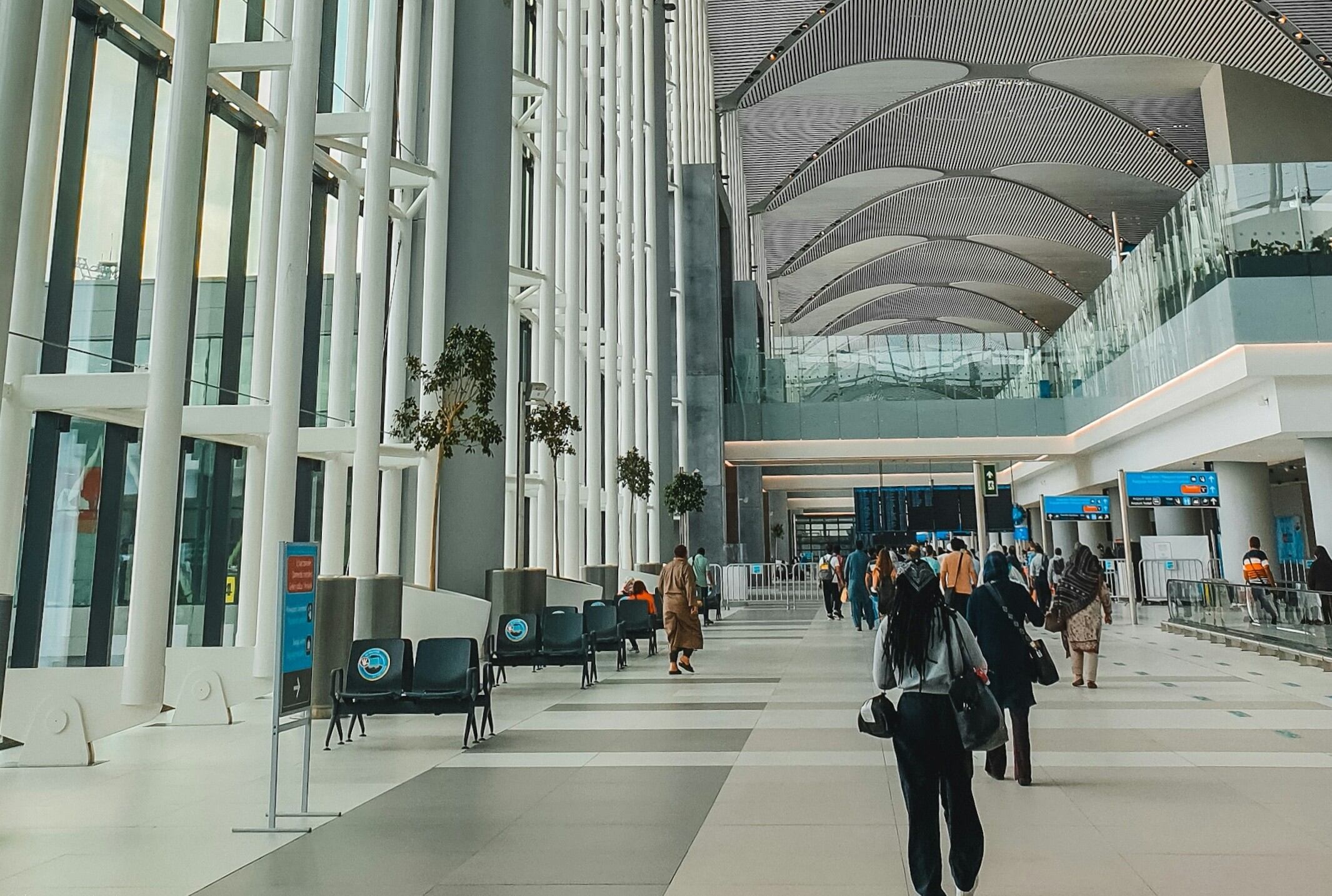 Istanbul Airport is one of the newer entrants on the list of the world’s largest airports, but already one of the most ambitious. The airport is strategically located at the crossroads of Europe and Asia, making it ideally positioned as a global transit point.
The most impressive figure: Istanbul Airport is designed to handle up to 200 million passengers annually once all phases of the expansion are complete. This will make it one of the largest airports in the world in terms of capacity.
The world’s busiest airports – an overview
Here are the five busiest airports in the world (in 2024), ranked by passenger numbers:
Rank | Airport | Passengers/year |
|---|---|---|
1 | Hartsfield-Jackson Atlanta International Airport (ATL) | Approx. 108 million |
2 | Dubai International Airport (DXB) | Approx. 92 million |
3 | Dallas Fort Worth International Airport (DFW) | Approx. 88 million |
4 | Tokyo Haneda Airport (HND) | Approx. 86 million |
5 | London Heathrow Airport (LHR) | Approx. 84 million |
Why do airports get so big?
An airport grows because it has to handle many tasks at once. As passenger numbers rise, there must be space for more aircraft, more gates and more terminals. International routes require separate arrival and departure halls with passport and customs control. Cargo must be sorted and stored. Aircraft must be maintained and refuelled. And everything must be done safely and efficiently – around the clock.
The terminal is the cornerstone of it all. Here, millions of passengers must pass through check-in, security checks and boarding every year without unnecessary delays. This requires carefully planned architecture, modern baggage systems and ample space – not as a luxury, but as a necessity.
That is why large airports are not just built to meet today’s needs, but with an eye to the future: expansion options are a deliberate part of the design from day one.
Largest is not the same as busiest
It is important to distinguish between the largest airport and the busiest airport. King Fahd International Airport is the world’s largest airport in terms of area, but Hartsfield-Jackson Atlanta International Airport is the busiest in terms of passenger numbers. Dubai International Airport is strongest in international flights, whilst Istanbul Airport will eventually become one of the largest in terms of capacity.
An airport can therefore be ‘the largest’ in several ways: in terms of area, passenger numbers, international traffic, cargo or the number of daily flight movements.
What should you do if your flight is delayed?
Whether you’re travelling via Dubai International Airport, Amsterdam Airport Schiphol, Frankfurt Airport, Paris Charles de Gaulle Airport or another international airport, delays and cancellations can happen. If your flight is delayed or cancelled, you may in some cases be entitled to compensation if you’re travelling from the EU or with an EU airline, and the delay isn’t due to extraordinary circumstances.
Always keep your boarding pass, booking confirmation, any messages from the airline, receipts for food, accommodation or transport, and details of your actual arrival time. This can make it much easier to assess whether you are entitled to compensation.